Millets for Health โ€“ Reviving Ancient Grains for Modern Wellness

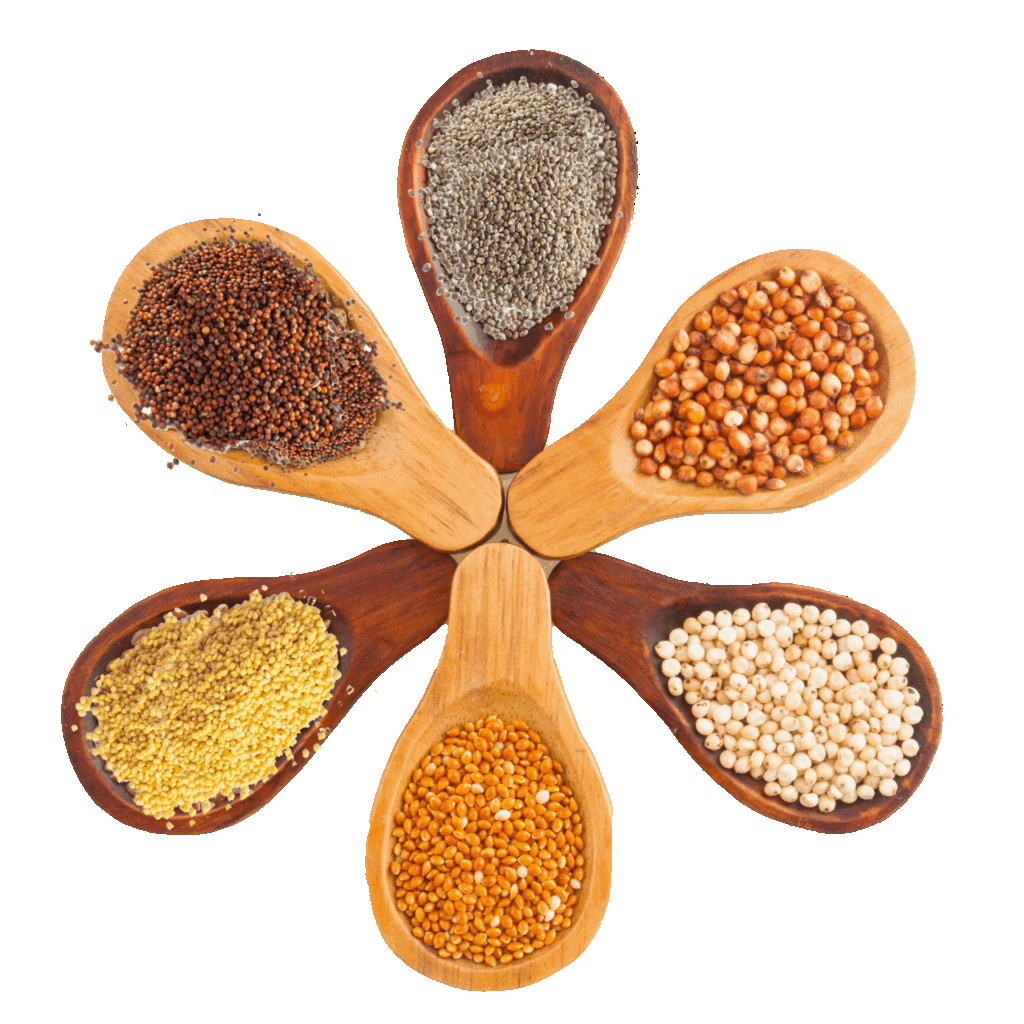
Millets for Health is born out of a journey of personal health and transformation and has grown into a social enterprise working on the revival of millets, the ancient Indian Super Foods.

The journey of our work more than a decade long and started in rural Ananthapur, the second most drought prone region in the country. Our partner NGO SHODH works with farmers from the region to support the cause of millet farming. While other crops fail in the agro climatic scenario of this region, Millets survive and thrive, making them the ideal solution. Millets for health was set up in 2016 to market the products of these marginalised and small holder farmers after one if our co-founders transformed her own health by going on a millet based diet.

Mission

Our mission is to revive ancient millets by promoting healthy, sustainable food choices while supporting small farmers through ethical sourcing, local partnerships, and mindful nutrition.

Vision

Our vision is to create a healthier future by making millets a staple in every home, fostering sustainable farming, and empowering rural communities across India.

Farmers Benefied
0 +
Happy Customers
0 +
Millet Cooking Workshop
0 +
Millet Workshop Alumini
0 +

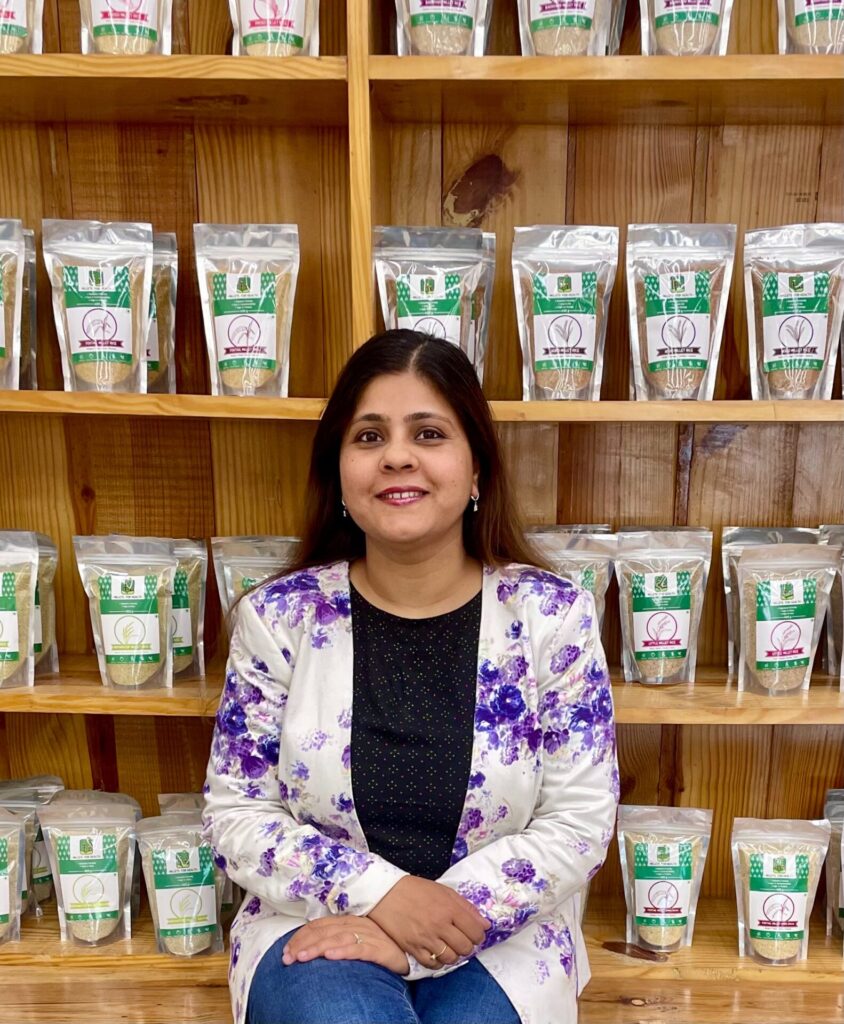
Pallavi Upadhyaya

Co-founder & Managing Director

Pallavi Upadhyaya is a social sector professional turned social entrepreneur. She has combined her passion for social good and love for sustainable food systems guide her career path. Pallavi has a Bachelors Degree in Commerce from Shri Ram College of Commerce, University of Delhi and Masters Degree in Public Policy from ICFAI University, Hyderabad.

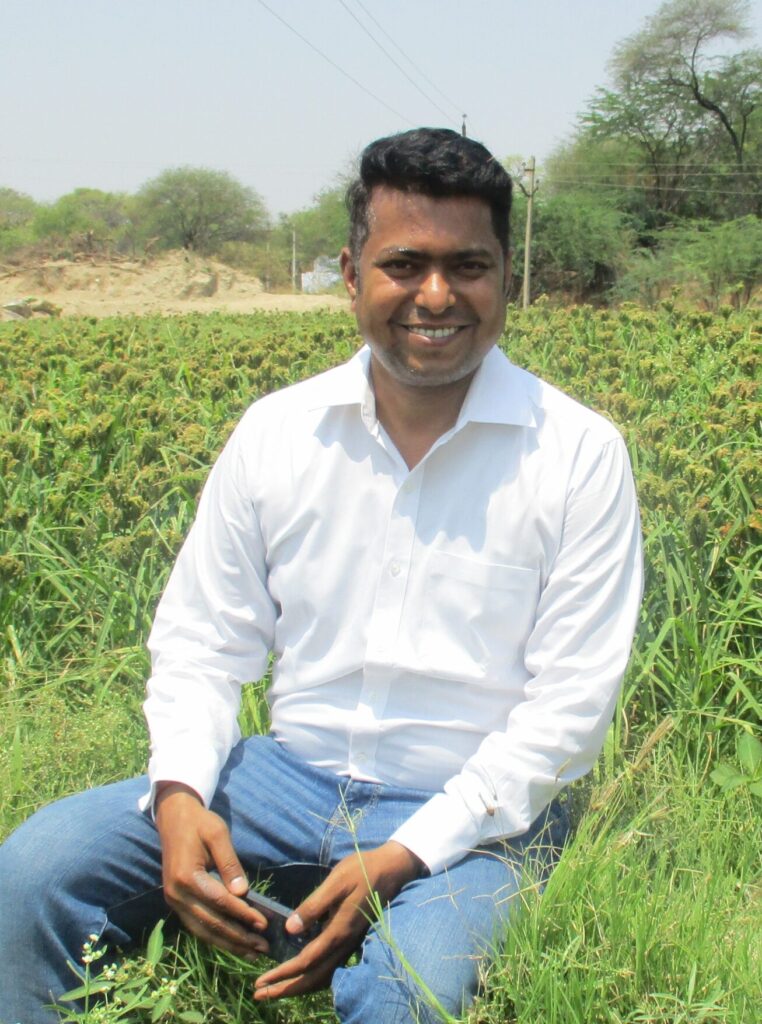
Rajeev Pandey

Co-Founder and Director

Rajeev Pandey is a trained social work professional with over 17 years of experience across diverse areas including Health, HIV/AIDS, and sustainable livelihoods. He is an alumnus of the Delhi School of Social Work, University of Delhi. As a Co-Founder of Millets for Health, he has been instrumental in building strong client and vendor relationships, as well as focusing on the most critical element โ€” farmer engagement and support.